

DR HAMID · HAIR SCIENCE
Free Radicals, Oxidative Stress and Hair Follicle Health
Understanding oxidative stress, natural antioxidant defences and what the research really tells us about healthy hair.

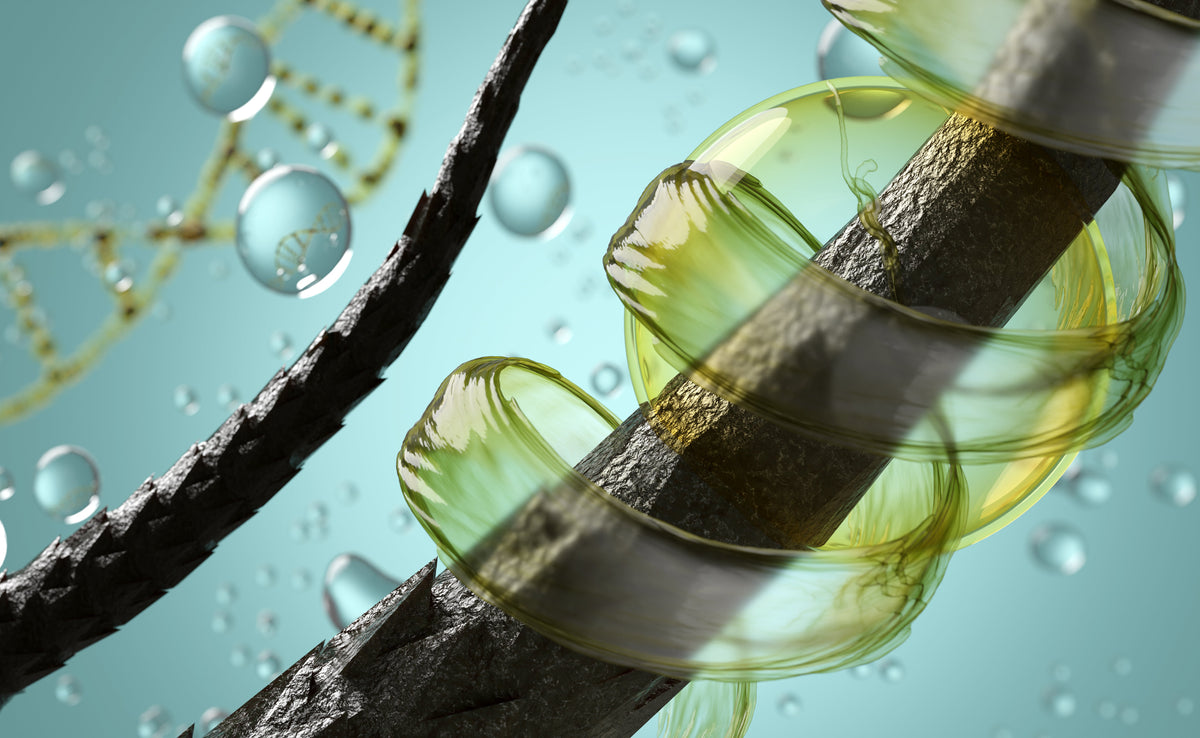
Free radicals are reactive chemical species that can damage cellular components when they are present in excess. Some contain unpaired electrons and can react with nearby molecules, including lipids, proteins and DNA. When reactive species overwhelm the body’s antioxidant defences, the resulting imbalance is known as oxidative stress 1, 4.
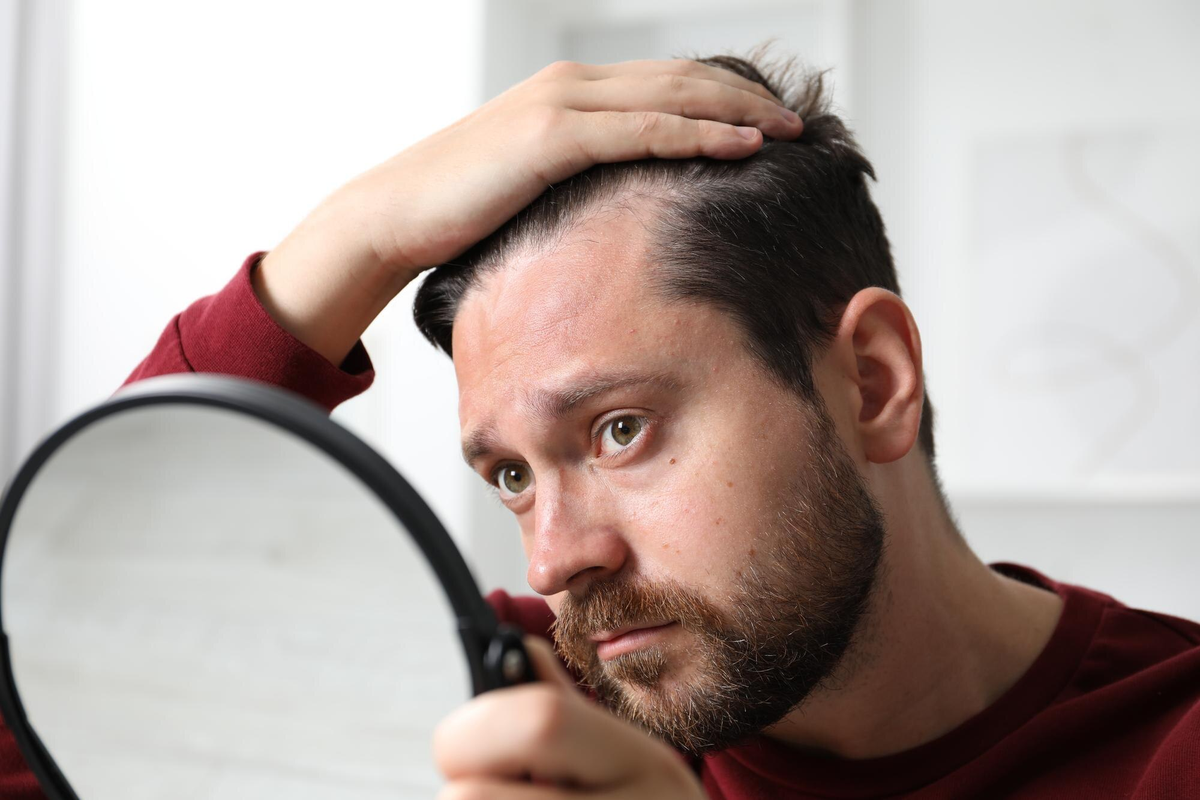
Oxidative stress can affect many tissues, including the scalp and hair follicles. Although it is one factor studied in hair ageing, hair loss has multiple possible causes and cannot generally be explained by free radicals alone 2, 4, 5.
Where Does Oxidative Stress Come From?
Reactive molecules are produced naturally during normal metabolism. Exposure to ultraviolet radiation, tobacco smoke, polluted air and certain chemicals can also increase oxidative stress. Over time, oxidative damage may affect cellular membranes and DNA 1, 3, 4.

A varied diet containing fruits, vegetables and other nutrient-rich foods supports general health and normal antioxidant functions. However, an antioxidant-rich diet or supplement should not be presented as a proven treatment for every type of hair loss 5, 6.
How the Body Protects Hair Follicles
The body has antioxidant defence systems, including enzymes and naturally occurring antioxidant molecules, that help control reactive species. Hair ageing may involve several processes, including changes in pigmentation and hair growth, while genetics, hormones and health conditions also play important roles 1, 4, 6, 10.
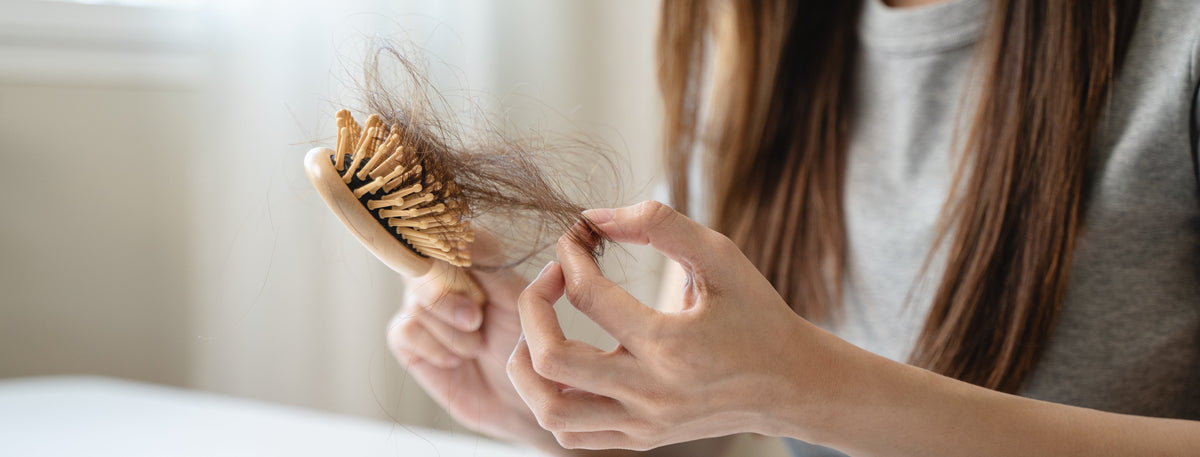
Reducing avoidable stressors, such as smoking and excessive unprotected UV exposure, can help support overall skin and scalp health. Persistent or sudden hair shedding deserves professional assessment rather than relying on antioxidant products alone 2, 4.
Botanical Ingredients in Dr Hamid Hair Care

The Dr Hamid hair-care range is described as containing botanical ingredients such as blueberry, citrus extracts, avocado, eucalyptus, peppermint, grapeseed, carrot and chamomile. Some plant-derived compounds have antioxidant properties in laboratory or skin-related research 8, 9, 11.
Evidence about a particular ingredient’s antioxidant activity does not by itself establish that a finished hair-care product reverses follicle ageing, prevents hair loss or stimulates new growth. These outcomes require product-specific clinical evidence 5, 8, 9.
Scientific References
- Alkadi H. A Review on Free Radicals and Antioxidants. Infect Disord Drug Targets. 2020;20(1):16–26.
- Mubki T, Rudnicka L, Olszewska M, Shapiro J. Evaluation and diagnosis of the hair loss patient: part I. History and clinical examination. J Am Acad Dermatol. 2014 Sep;71(3):415.e1–415.e15.
- Wang XQ, Wang W, Peng M, Zhang XZ. Free radicals for cancer theranostics. Biomaterials. 2021 Jan;266:120474.
- Trüeb RM. The impact of oxidative stress on hair. Int J Cosmet Sci. 2015 Dec;37 Suppl 2:25–30.
- Ablon G. Nutraceuticals. Dermatol Clin. 2021 Jul;39(3):417–27.
- Gulcin İ. Antioxidants and antioxidant methods: an updated overview. Arch Toxicol. 2020 Mar;94(3):651–715.
- Wu P, Wu X, Zhang C, Chen X, Huang Y, Li H. Hair Cell Protection from Ototoxic Drugs. Neural Plast. 2021;2021:4909237.
- Rajput RJ. Influence of Nutrition, Food Supplements and Lifestyle in Hair Disorders. Indian Dermatol Online J. 2022;13(6):721–4.
- Michalak M. Plant-Derived Antioxidants: Significance in Skin Health and the Ageing Process. Int J Mol Sci. 2022 Jan 6;23(2):585.
- Mirończuk-Chodakowska I, Witkowska AM, Zujko ME. Endogenous non-enzymatic antioxidants in the human body. Adv Med Sci. 2018 Mar;63(1):68–78.
- Neha K, Haider MR, Pathak A, Yar MS. Medicinal prospects of antioxidants: A review. Eur J Med Chem. 2019 Sep 15;178:687–704.
Image Sources & Credits
Author portrait: Dr Hamid Professional portrait – Hamita Shopify Media Library. Article illustrations: image-file links provided directly below each image. These links identify the stored files, not their original photographer, creator or copyright licence. Confirm image rights before publication, particularly for third-party imagery.

Leave a comment
This site is protected by hCaptcha and the hCaptcha Privacy Policy and Terms of Service apply.